6 Technologies Every IT Professional Must Know in 2020


In almost all sectors, from traditional or cutting-edge organizations are adopting technologies to optimize their processes and increase business efficiency. Technology has never been more crucial to expand and improve businesses.
To ensure your IT career stays on track, we've compiled a list of six technology trends that will govern which skills will be in high demand.
Blockchain
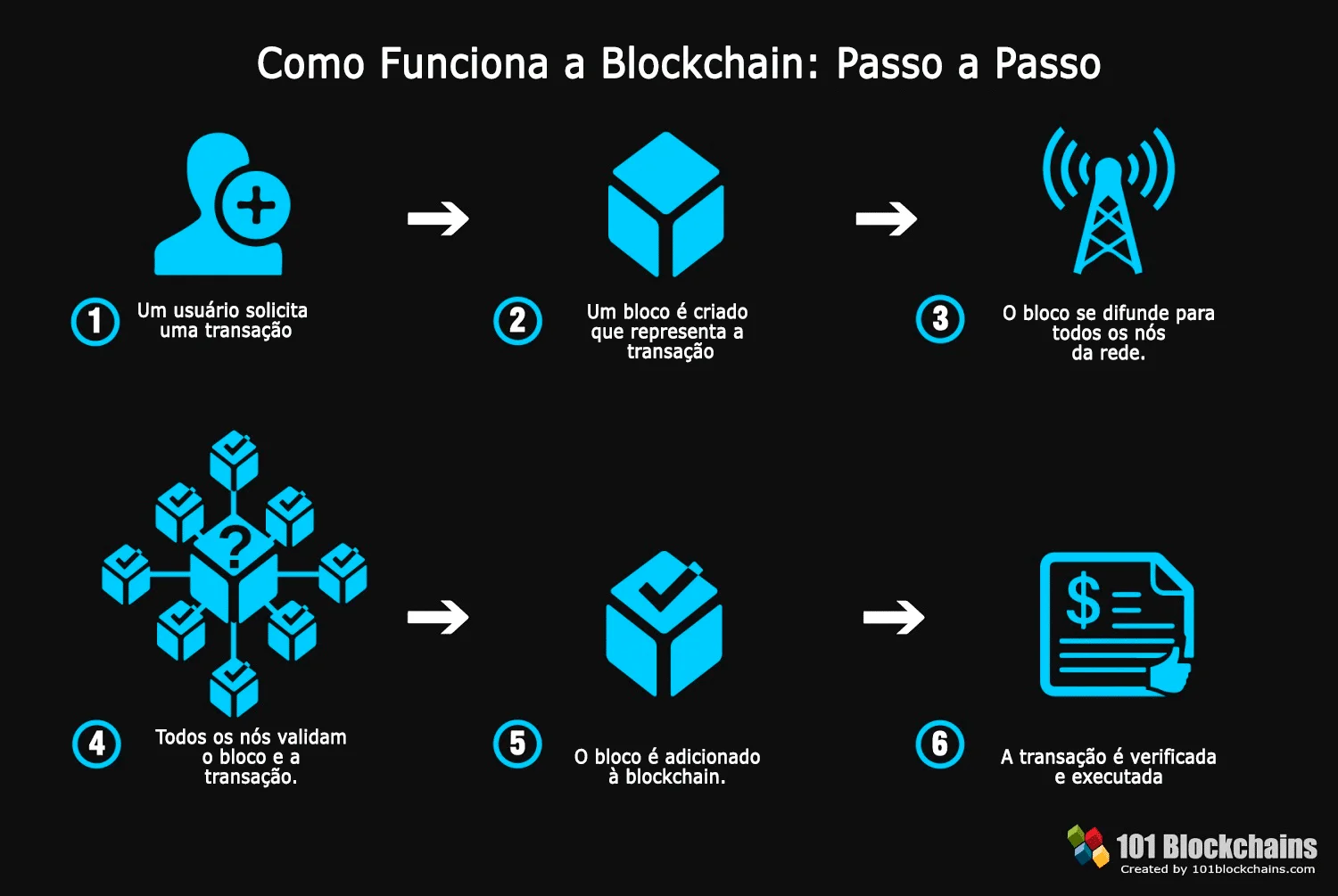
Since its emergence in 2008, blockchain has established itself as an innovative technology with enormous potential to transform businesses and impact all sectors and industries.
As more organizations begin to realize the countless opportunities that blockchain technology can offer, they are striving to get their hands on the limited supply of qualified and experienced blockchain specialists.
Fintechs, virtual schools, peer-to-peer lending, currency exchange between individuals, car rentals, space rentals, in short, sharing anything by anyone and cryptocurrencies are already a reality.
Blockchain revolutionizes because it removes the intermediary from the transaction, which previously served as an accreditor or verifier.
This way, people can transact anything between themselves, in such a way that the network ensures the transaction is secure. So it removes banks, schools, rental companies, central banks, notary offices, and other intermediary organizations from the equation.
AI and Machine Learning
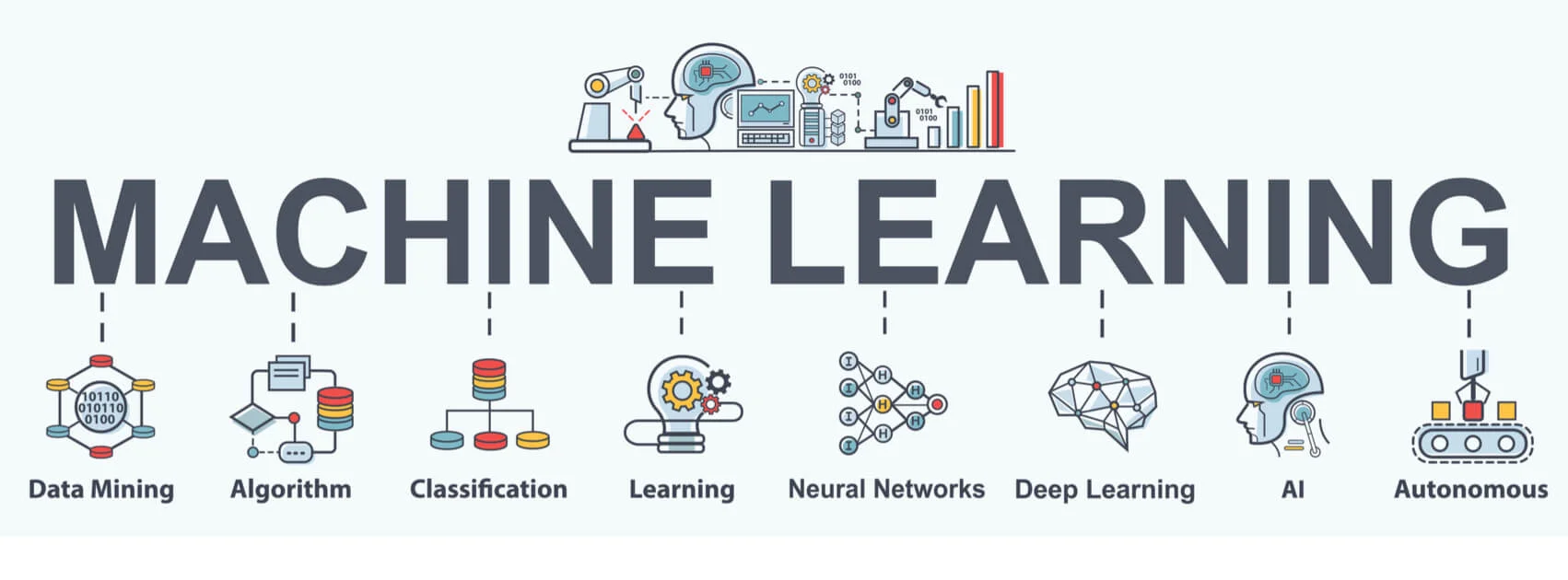
AI and machine learning are an important topic of conversation among organizations as a whole, not just in IT departments.
Although not all companies are ready to hire these skills yet, demand is growing from employers interested in investigating and discovering the new opportunities that AI and machine learning solutions can offer.
IT professionals with this skill set will be increasingly sought after, as organizations seek ways to stay competitive and drive innovation.
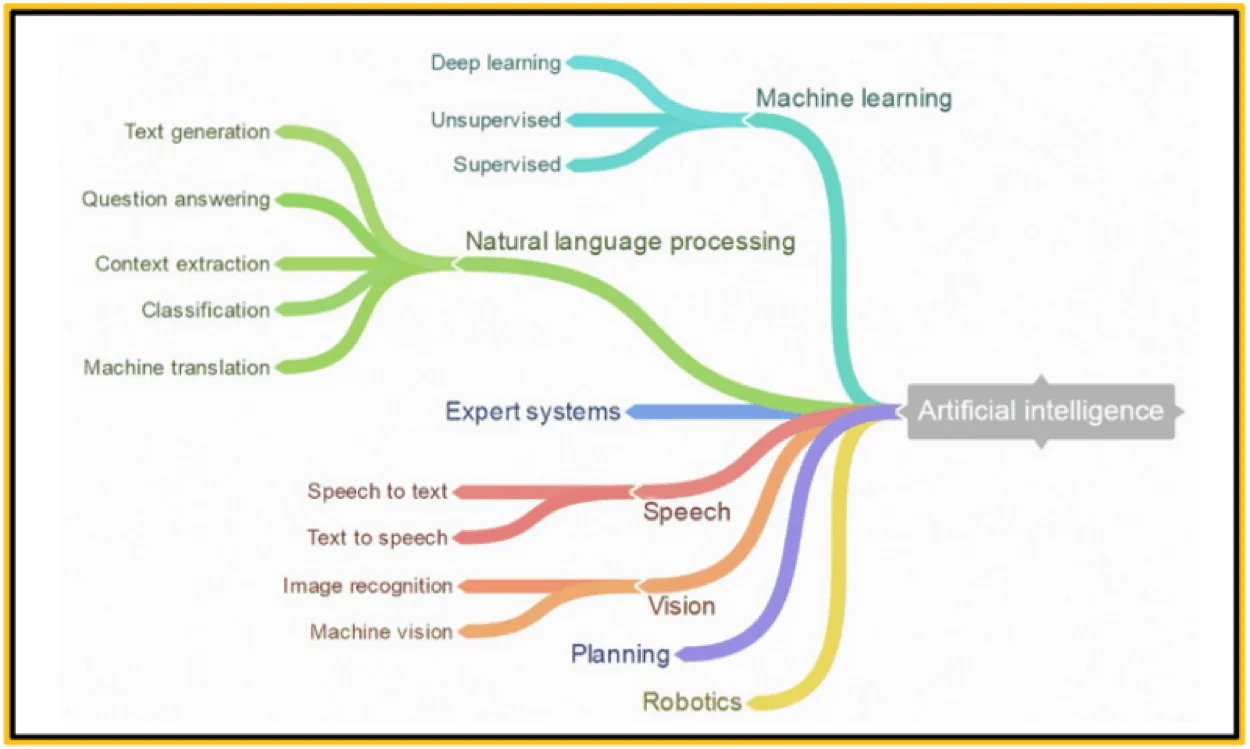
Machine Learning can help mine, classify data and also interact with humans in the most human way possible.
"Siri", "Hey Google" and "Alexa" are here to prove that Machine Learning is here to stay.
Data Science and Engineering
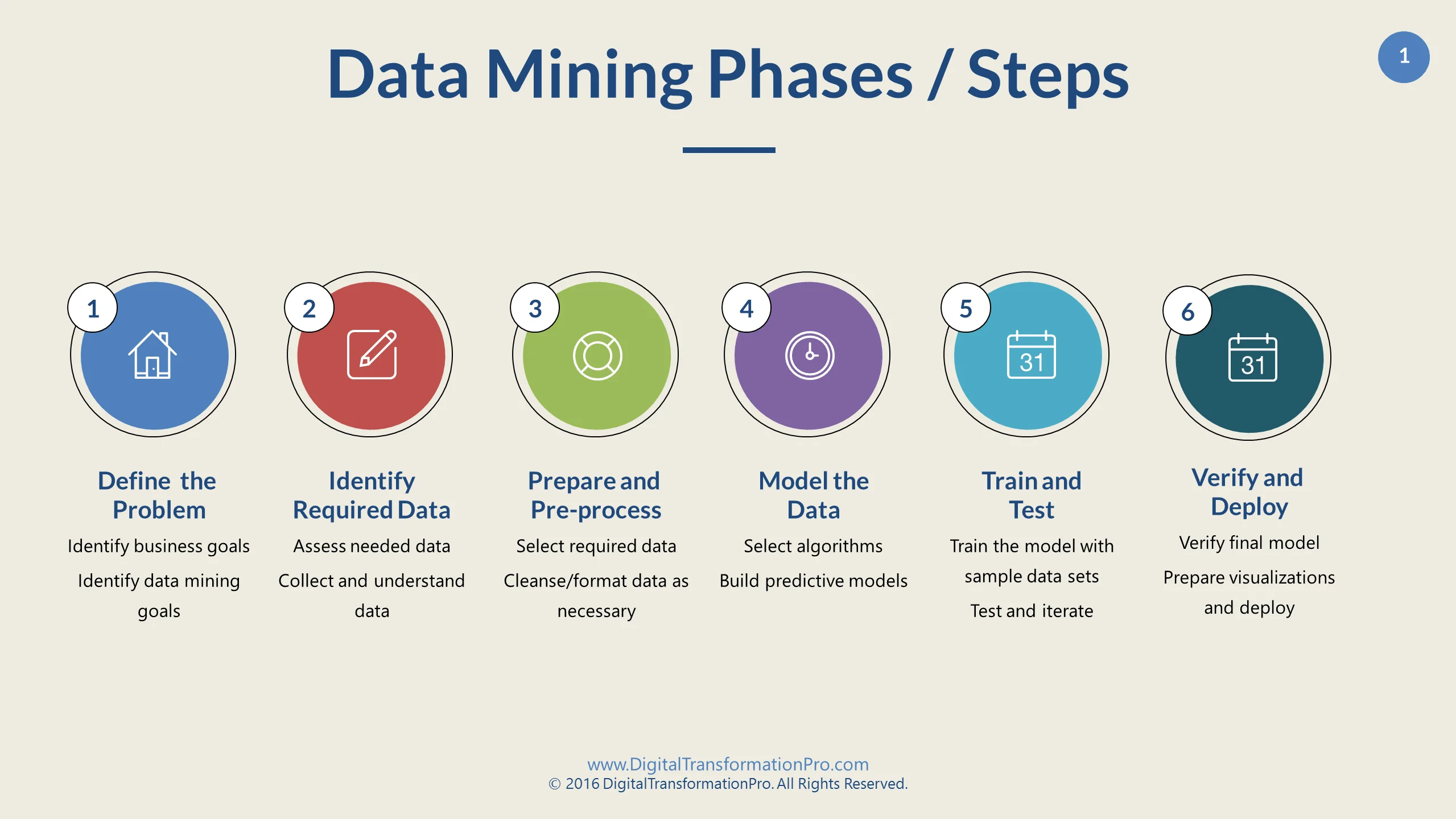
Demand for data professionals continues to grow rapidly. According to LinkedIn's most promising jobs in 2019, job openings for data scientist roles grew 56% year-over-year.
Every organization is collecting data, analyzing it, and looking to solve problems and make more informed business decisions, through better utilization of their data.
Data scientists, engineers, and analysts with experience in R, Python, Scala and/or SQL with data visualization tools are therefore sought to help organizations explore their data. Data Scientists with extensive experience using data technologies like Hadoop are also widely desired.
Walmart in the United States already uses datamining to cross-reference their latest purchases with the promotional flyers you will receive. If a woman buys cotton and body oil, she will most likely receive promotions for baby and maternity products. If she buys hoses and screwdrivers, she will receive promotions for products for someone who just moved.
Cloud Engineering
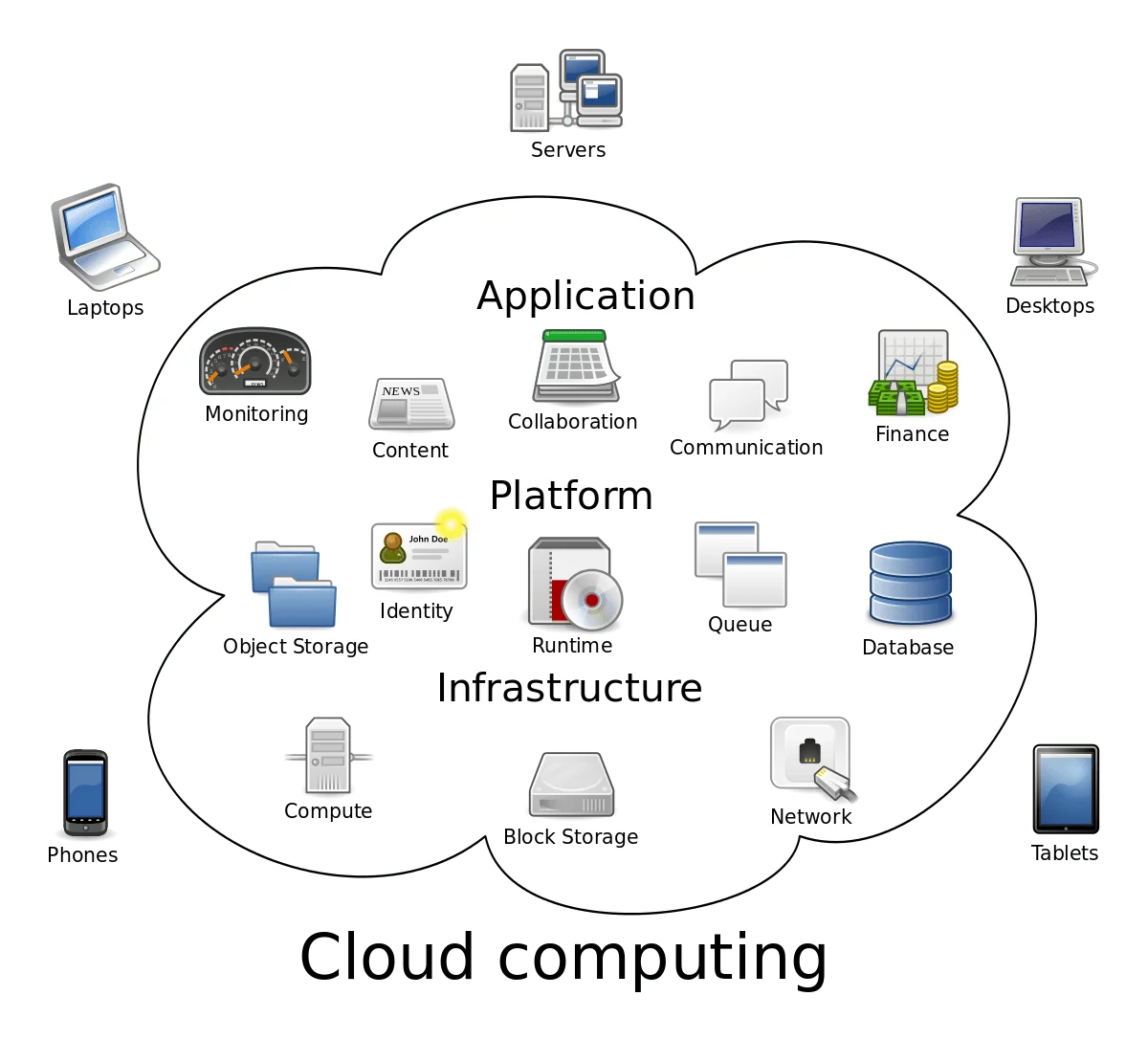
Regardless of the cloud computing solution chosen by an organization, cloud engineers will need to plan, develop, configure, maintain, and provide support for cloud software and infrastructure.
Cloud engineers with a broad skill set across multiple cloud technologies and exposure to cloud migration projects are in demand, with AWS and Azure continuing to dominate this space with GCP slowly gaining popularity.
All companies' data centers are migrating to the cloud. This is already a reality.
DevOps
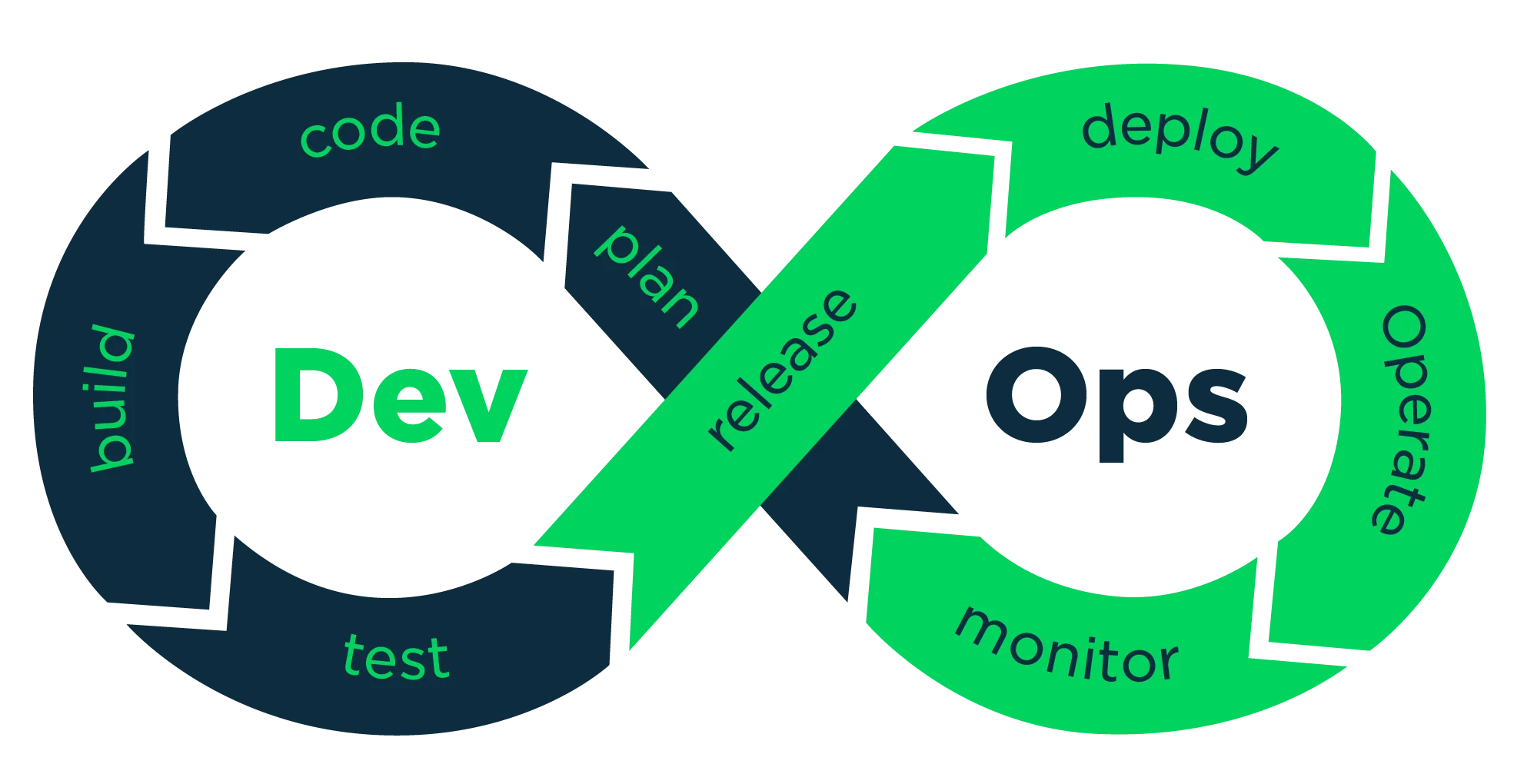
A few years ago, "DevOps" was a coined term that few knew. Moving forward to 2019 and DevOps Engineer is the most recruited job ever on LinkedIn.
With organizations looking to integrate their internal business applications and deliver new software to their customers faster, candidates with a DevOps skill set are in high demand to effectively streamline the process.
Demand is particularly strong for candidates with a development background, as employers are seeing the additional benefits that strong programming experience can offer an organization.
DevOps is simply the best solution to deliver software and also to scale services on the Internet.
Cybersecurity
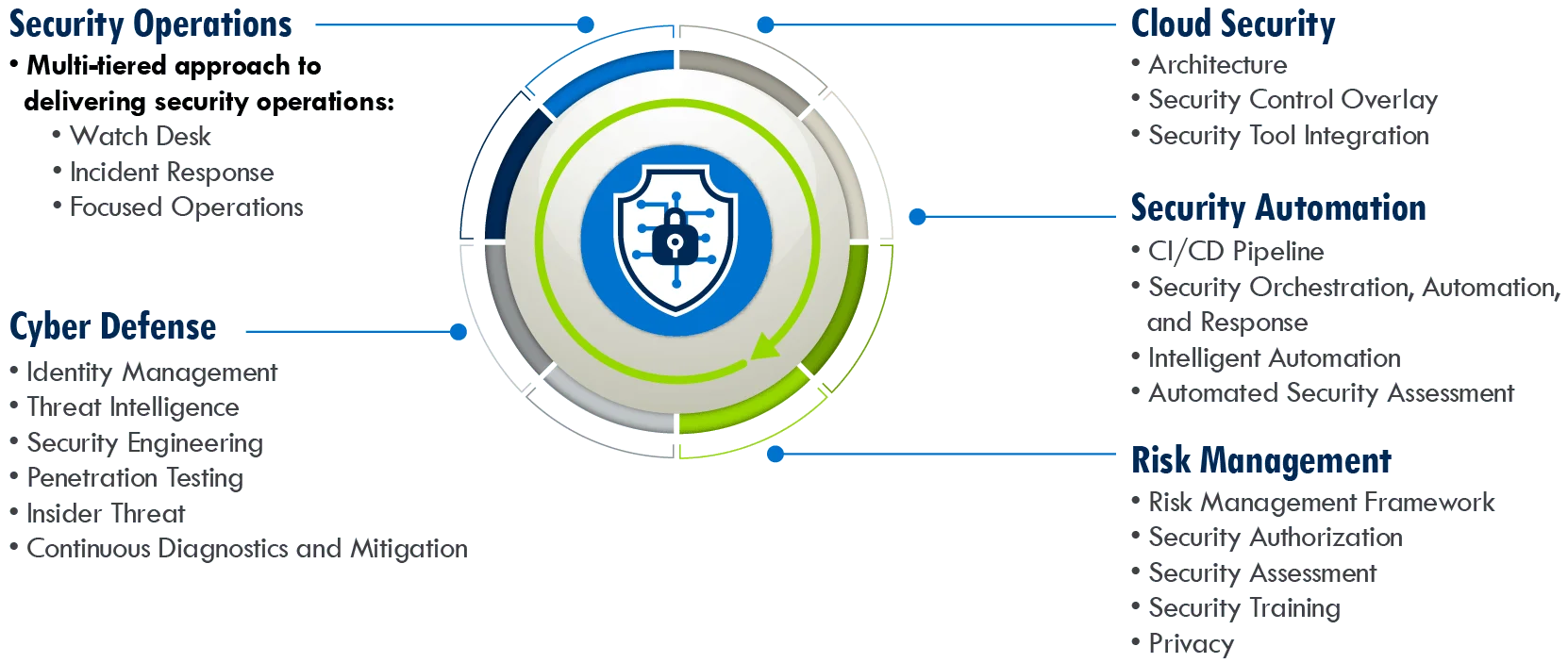
As organizations increasingly seek digital transformation and build data-driven businesses, the risk of cyber threats and data breaches has never been higher.
Cybersecurity specialists with skills in penetration testing and intrusion detection, DevSecOps, cloud security, and encryption are highly sought after to protect the vast amounts of data and confidential information being collected and stored.
And with the mandatory LGPD in 2020, the General Personal Data Protection Law, No. 13,709/2018, all companies will have to comply to ensure the protection of their customers' data, in order to guarantee control over the collection, use, and transfer of personal data in Brazil, regulating the processing of any information that identifies a person.
This means that starting next year, any public or private company will need to adapt their processes to obtain explicit consent and ensure the protection of customer data when collecting, storing, and using this information.
Besides increasing the data subject's (data owner's) control over their information, the law brings more transparency and legal certainty to entities in the public and private sectors.
That's why it's so important to understand and invest in IT equipment and cybersecurity adaptation, with actions to combat data leaks, among other virtual threats.
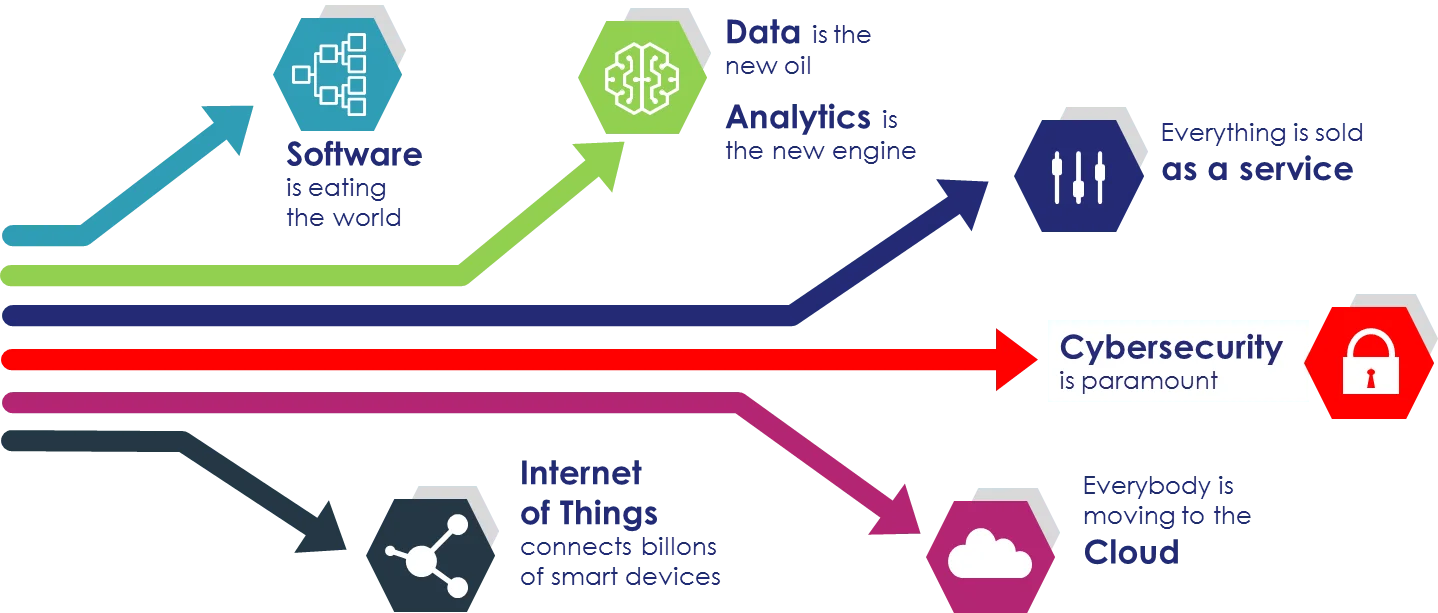
In a world where software is eating everything, where data and data analysis is everything, everything is connected, where everything is sold as a service, and everything is in the clouds, being well prepared is essential.

Prof. Uirá Ribeiro
Chair do Board do Linux Professional Institute
After years of watching professionals waste hours on simple tasks because they didn't know the right Linux tools, I decided to teach.
Today I'm the author of most of LPI's official Learning Materials and mentor to over 14,000 certified students.
That was just one piece. The course teaches the whole path — from your first command to exam day.

