What Linux Distributions Share: Kernel and Tools


Today there are more than 300 active Linux distributions. Which one is best for you? Well, the answer is it depends. What do you actually want your Linux for?
Currently, a complete Linux or GNU/Linux Operating System is a collection of free software (and sometimes non-free) created by individuals, groups and organizations from around the world, including the Linux kernel.
Companies such as Red Hat, SuSE, and Canonical (developer of Ubuntu Linux), as well as community projects like Debian or Gentoo, compile the software and provide a complete system, ready for installation and use. Patrick Volkerding also provides a Linux distribution, Slackware.
Linux distributions or GNU/Linux began to receive limited popularity since the second half of the 1990s, as a free alternative to Microsoft Windows and Mac OS operating systems, mainly by people accustomed to Unix at school and work.
The system became popular in the Desktop and servers market, mainly for Web and database servers.
They all have their audience and purpose, from recovering damaged systems to monitoring computer networks.
Each distribution is, in essence, an independent operating system, so programs compiled for one distribution may not run on another, even though they use the same kernel (the Linux proper).
The main differences between distributions are in their package systems, directory structures, and their core libraries. However much the directory structure follows the same standard, FSSTND is a very relaxed standard, mainly in files where configurations differ between distributions.
So normally everyone follows the FHS (File Hierarchy System) standard, which is the newer standard. It's worth remembering, however, that any application or driver developed for Linux can be compiled on any distribution and will work the same way.
Regarding the library, the libc library is used, containing basic functions for the Linux Operating System. The problem is that, when a new version of the libc Library is released, some distributions immediately include the new version, while others wait a while. Therefore, some programs work on one distribution and not on others.
There is an LSB (Linux Standard Base) movement that provides greater standardization. It mainly helps software vendors who don't release source code for distribution, without taking away the characteristics of distributions. The package systems are not standardized.
Arch Linux, Debian, Fedora, Manjaro Linux, SolusOS, Sabayon, Mint, openSuse, PCLinuxOS, Puppy, Slackware and Ubuntu are some of the most widely used distributions right now, listed here in alphabetical order.
User Interface
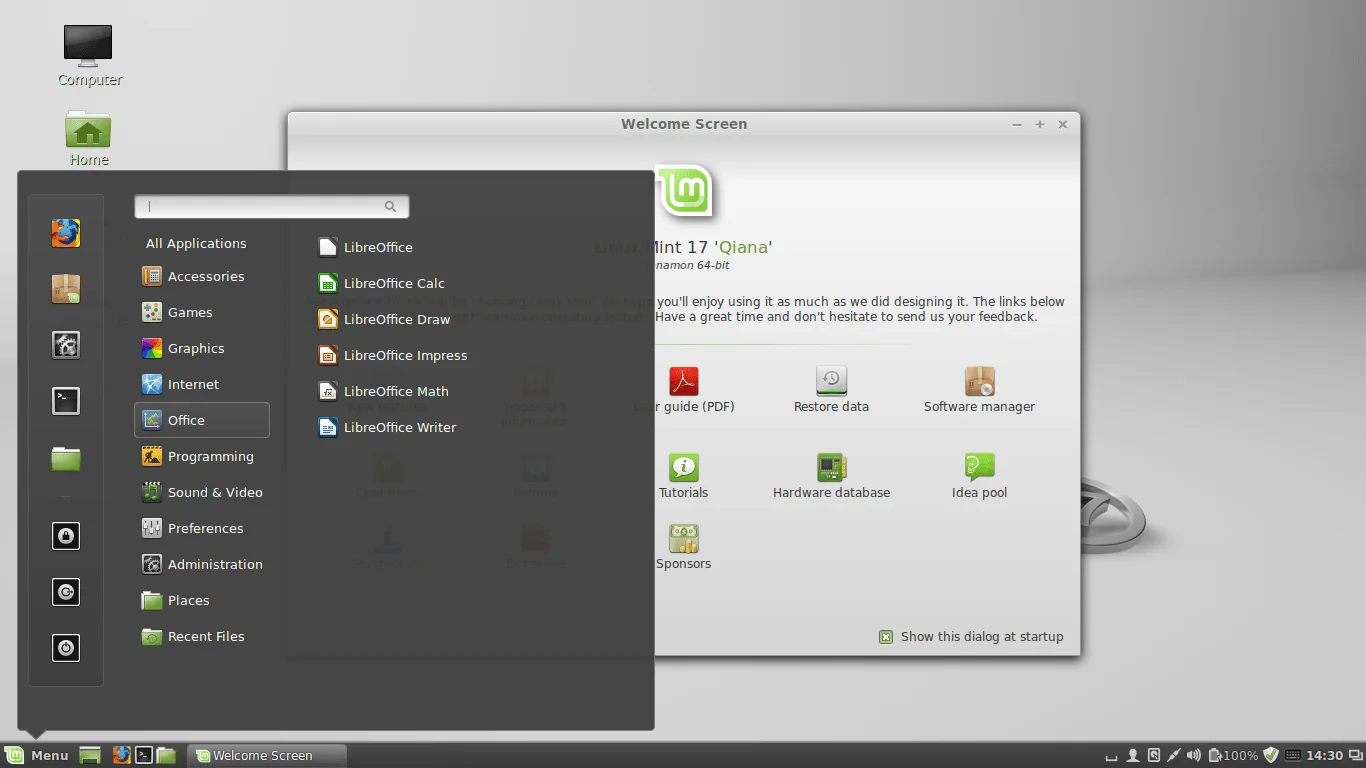
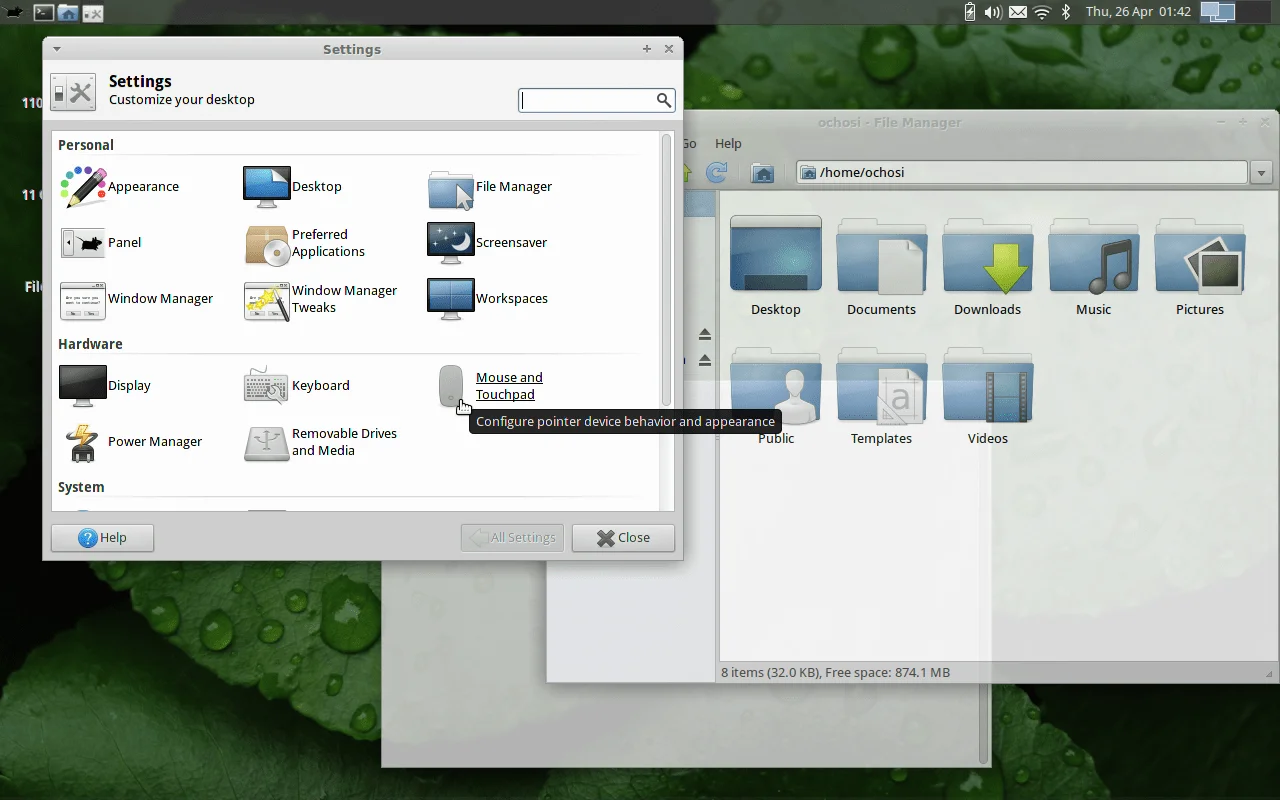
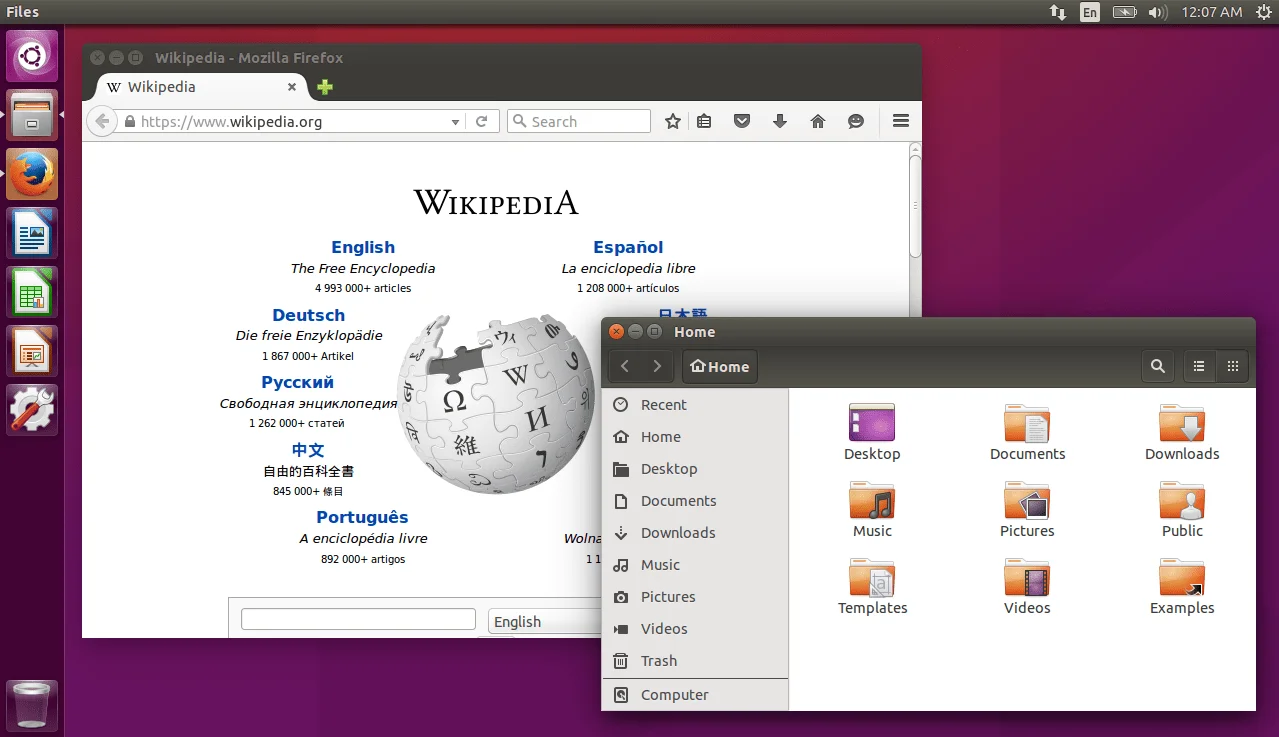
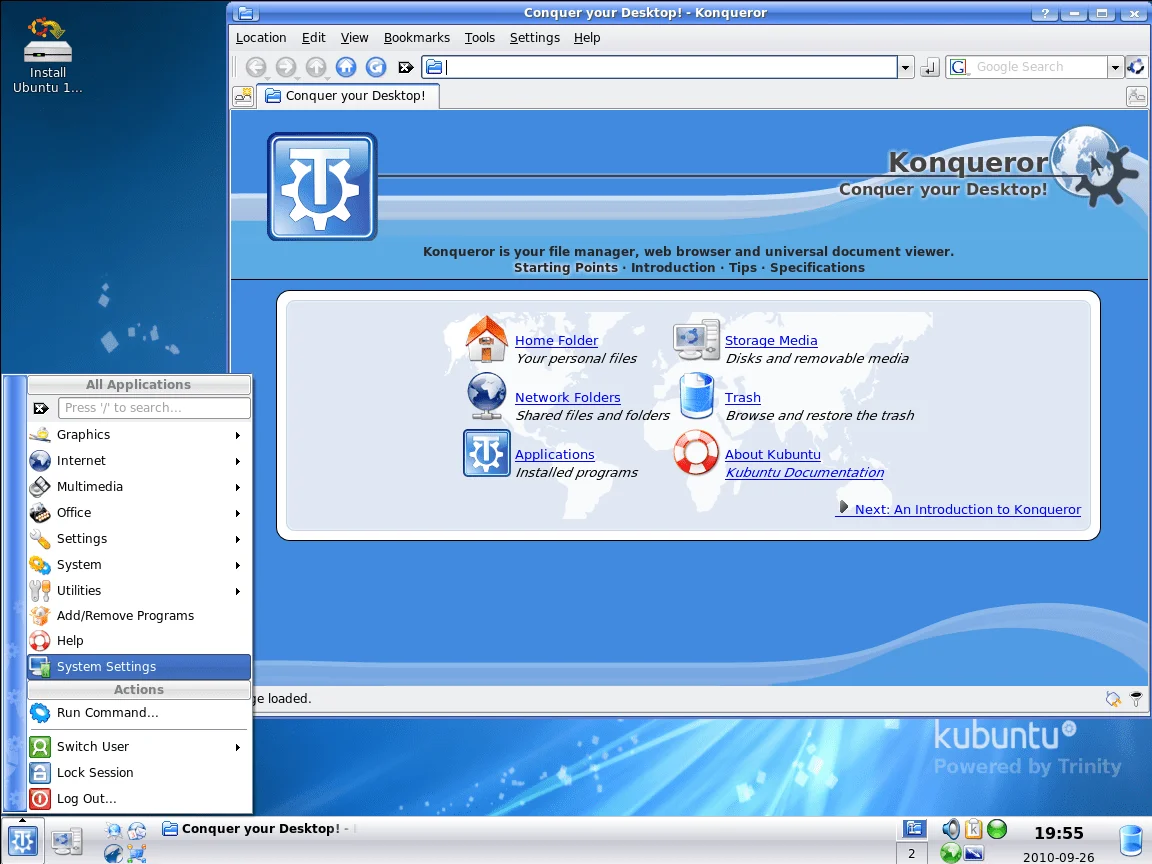
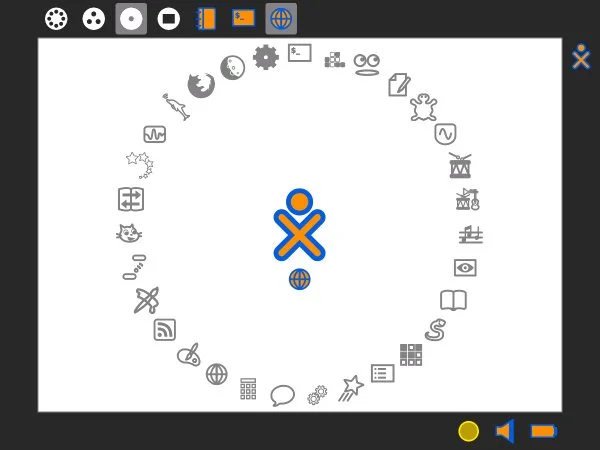
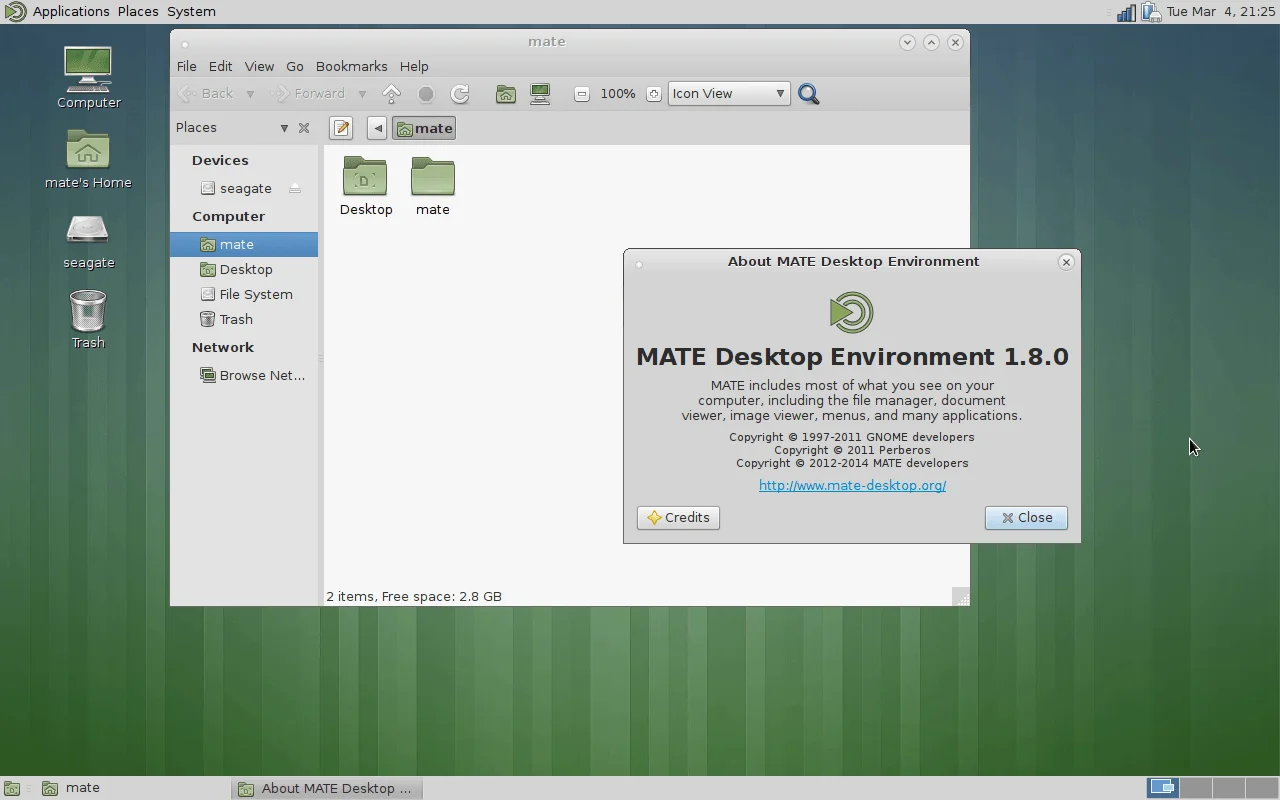
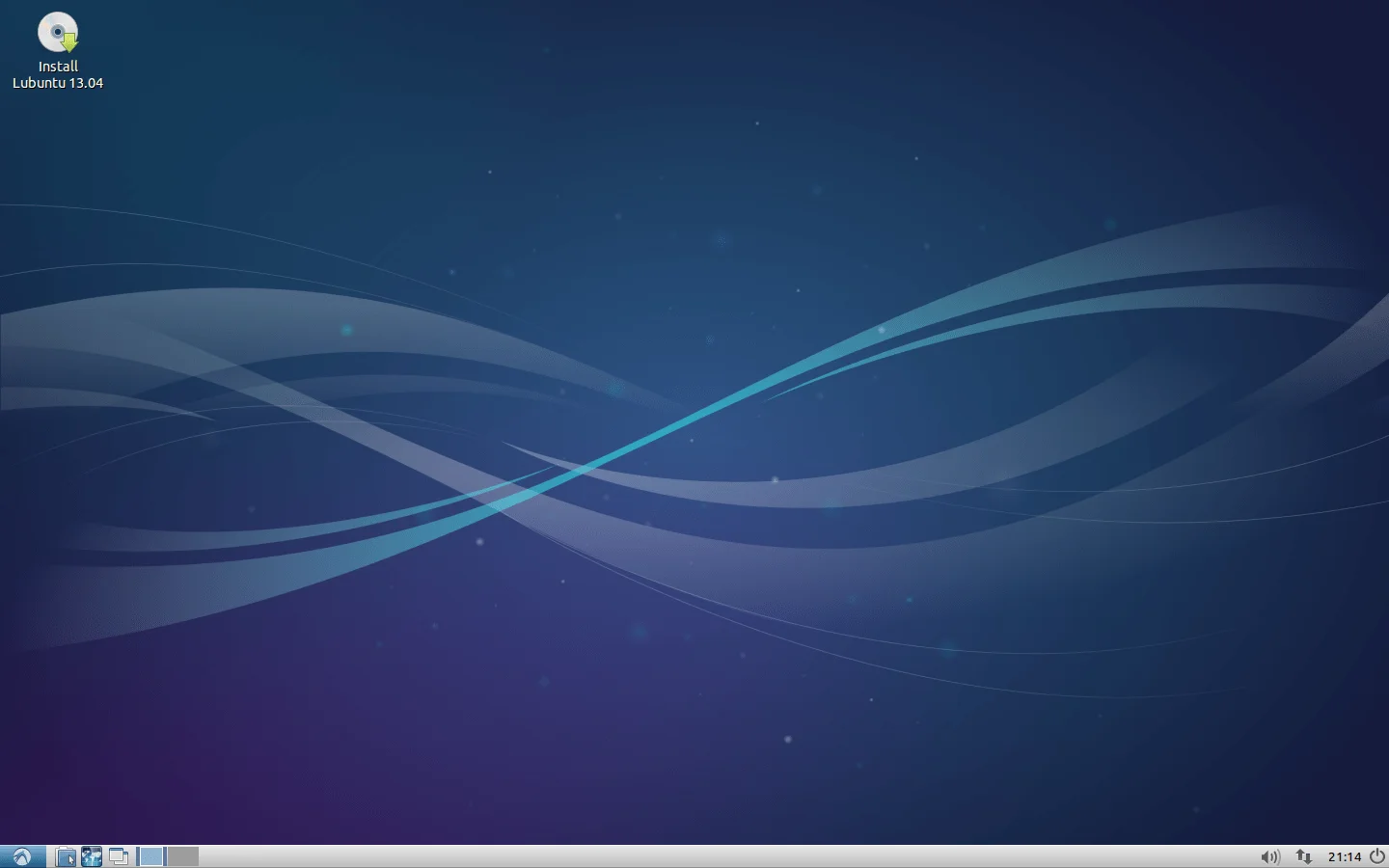
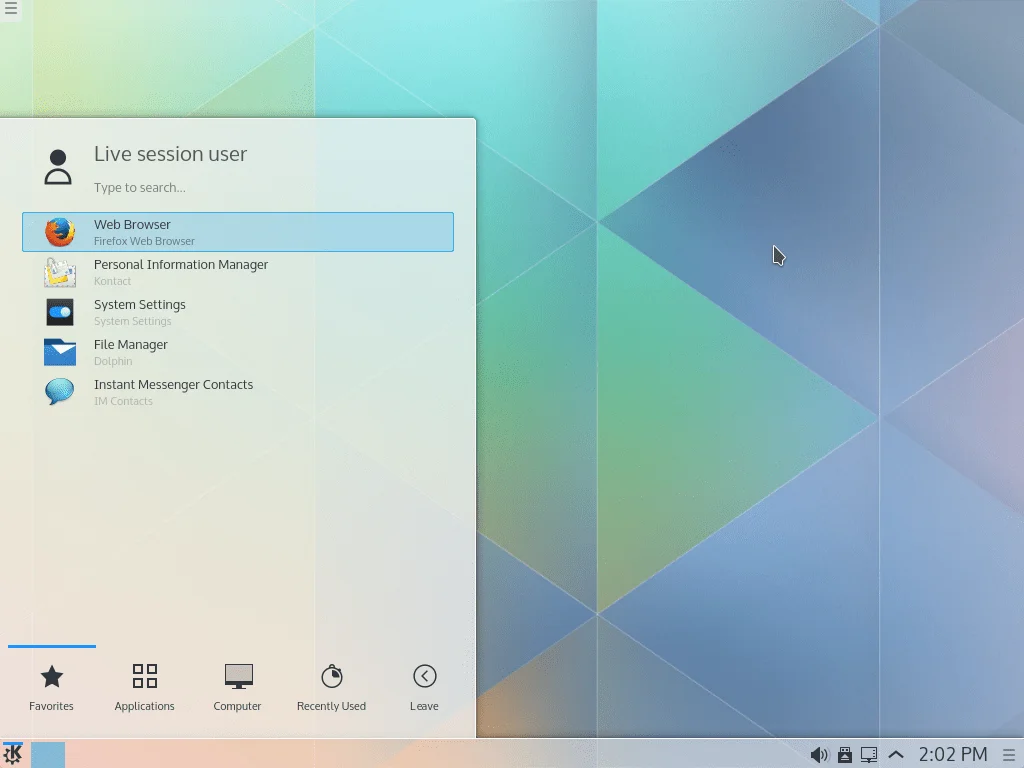
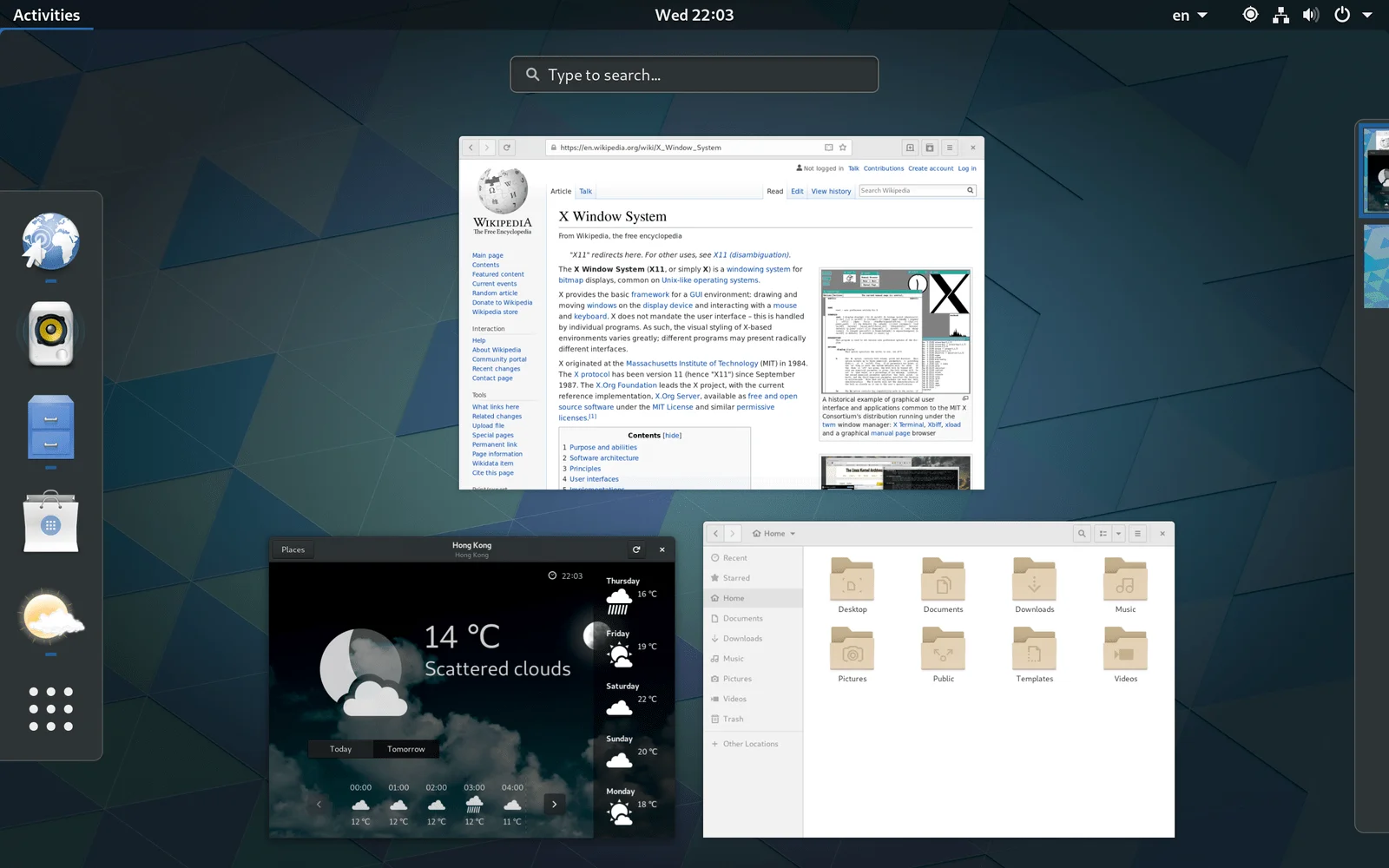
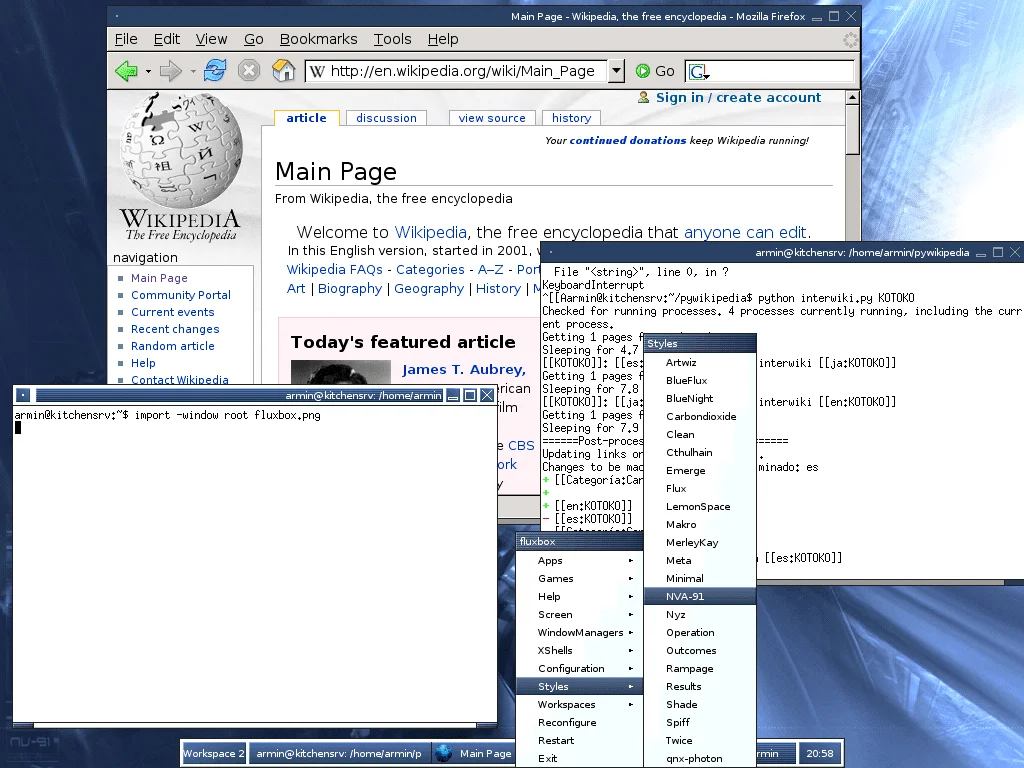
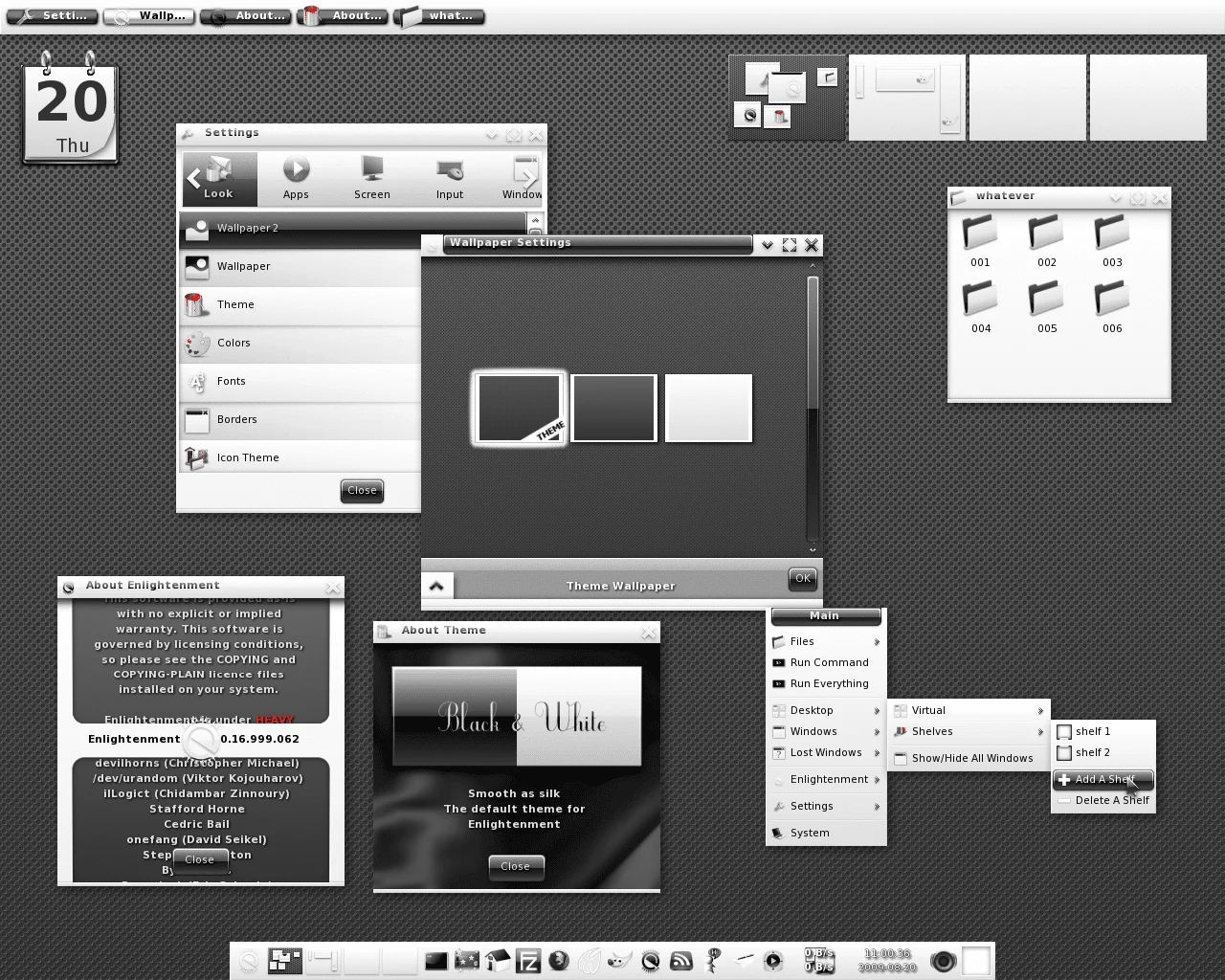
A characteristic that ends up differentiating a Linux Distribution is the Graphical Interface. Some distributions use the KDE interface, others use the GNOME interface, others use the XFCE interface, and there are still several other interfaces that can be used.

Prof. Uirá Ribeiro
Chair do Board do Linux Professional Institute
After years of watching professionals waste hours on simple tasks because they didn't know the right Linux tools, I decided to teach.
Today I'm the author of most of LPI's official Learning Materials and mentor to over 14,000 certified students.
That was just one piece. The course teaches the whole path — from your first command to exam day.

